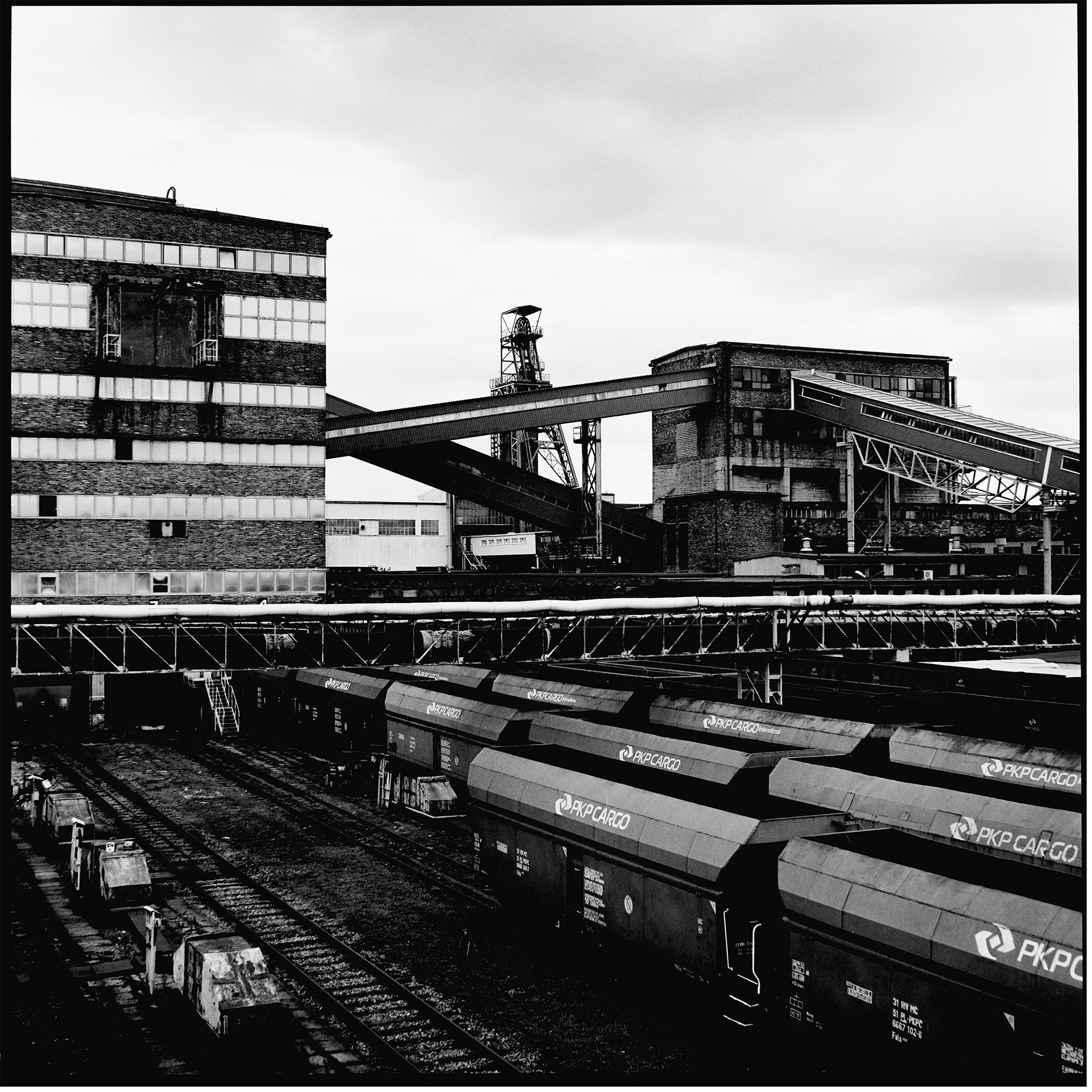
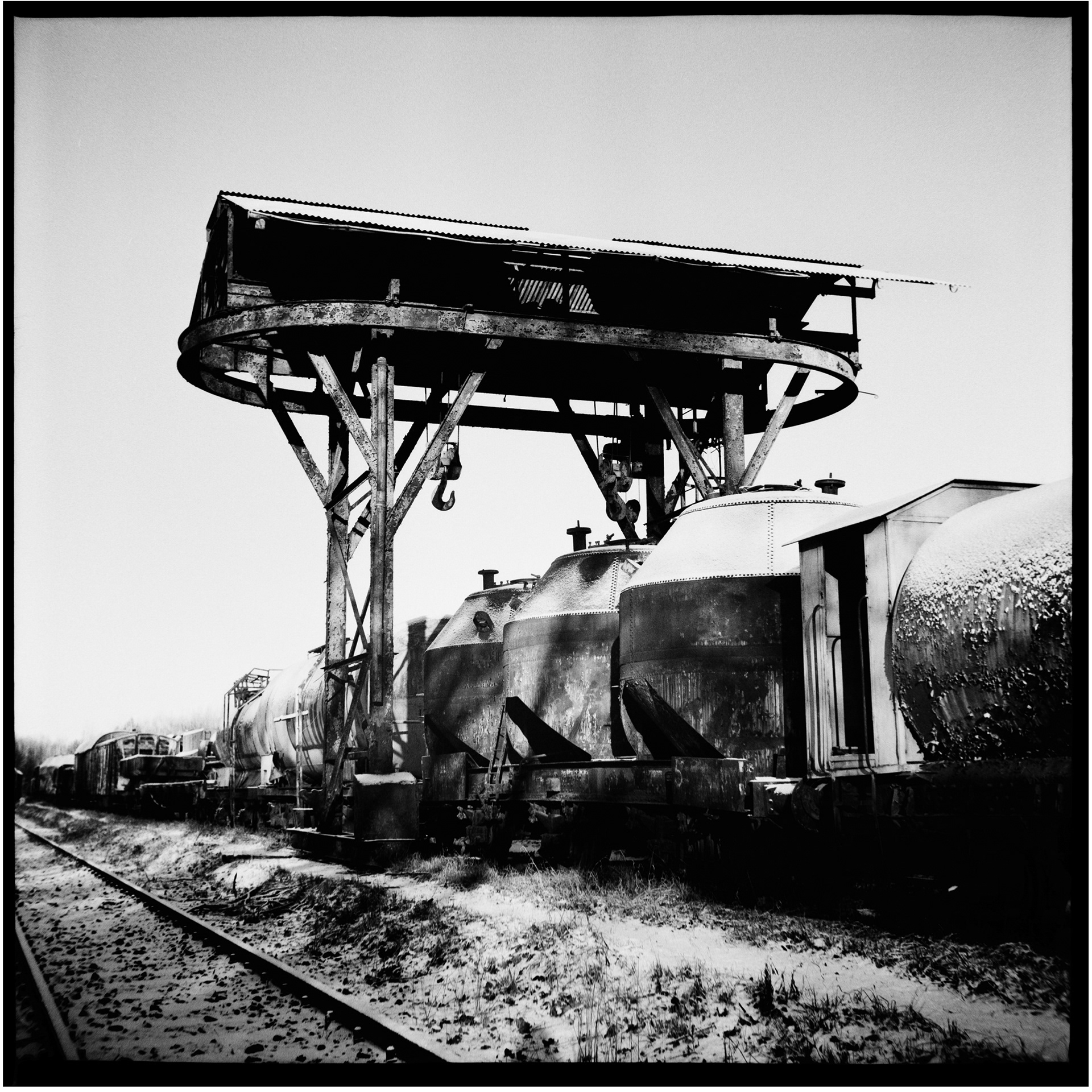
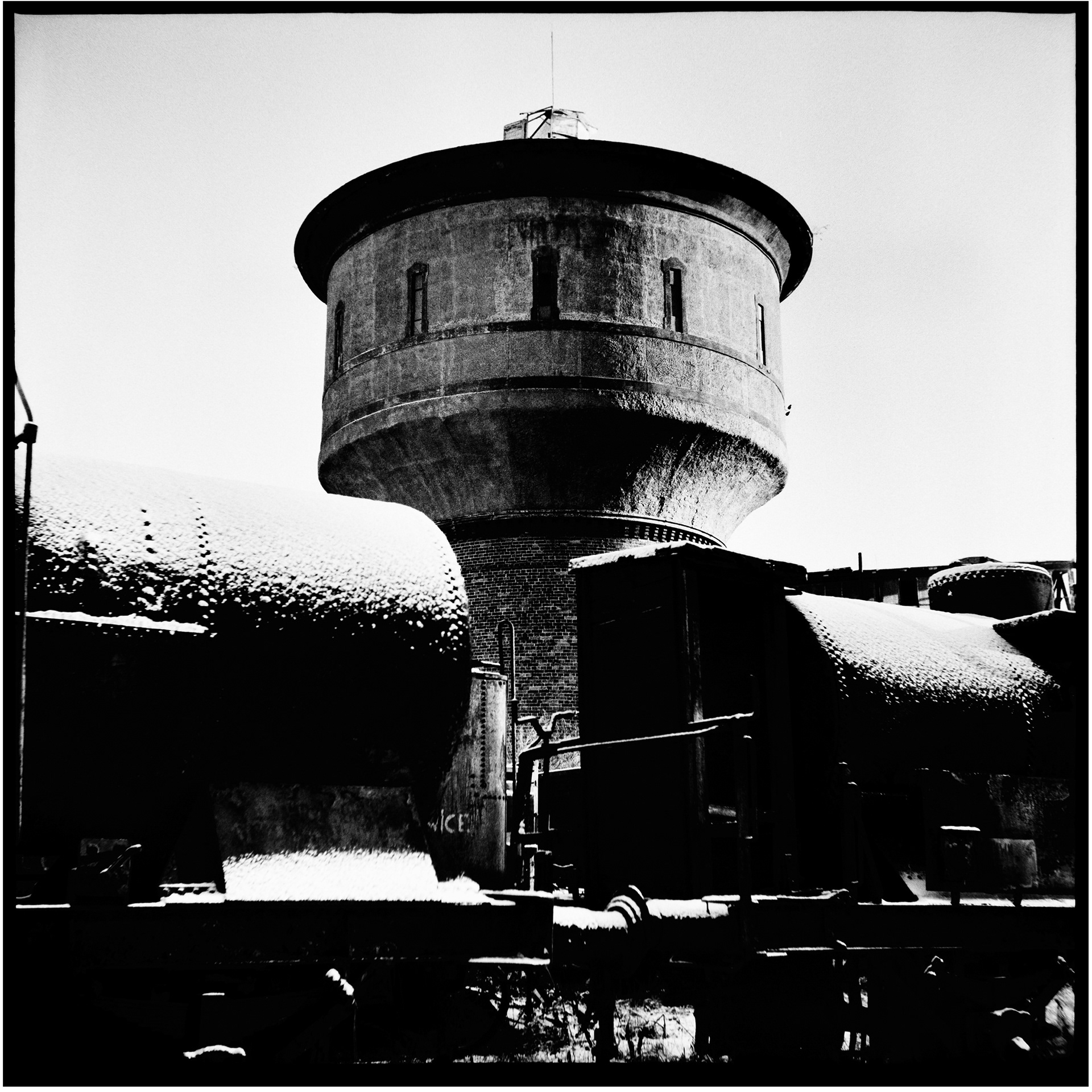
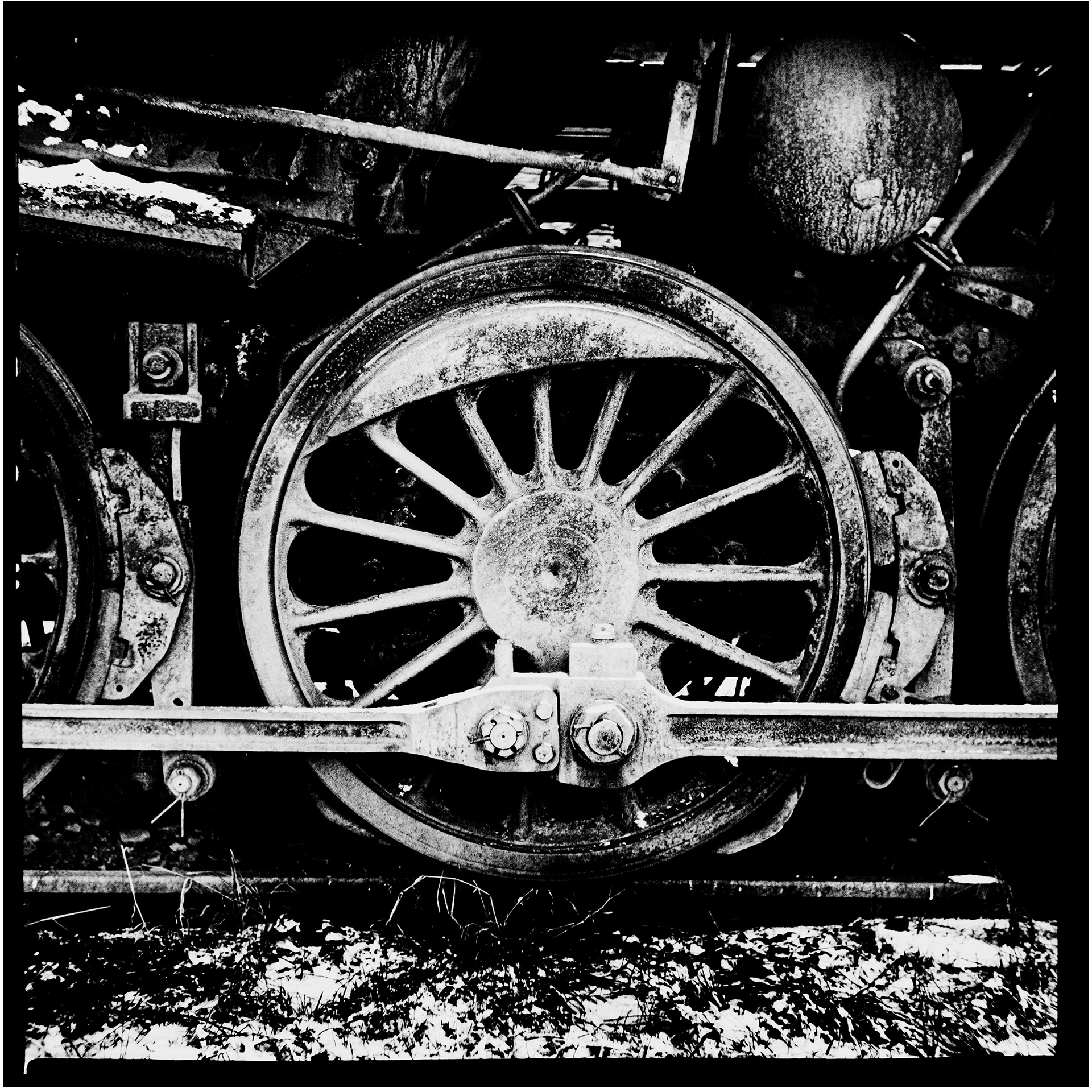
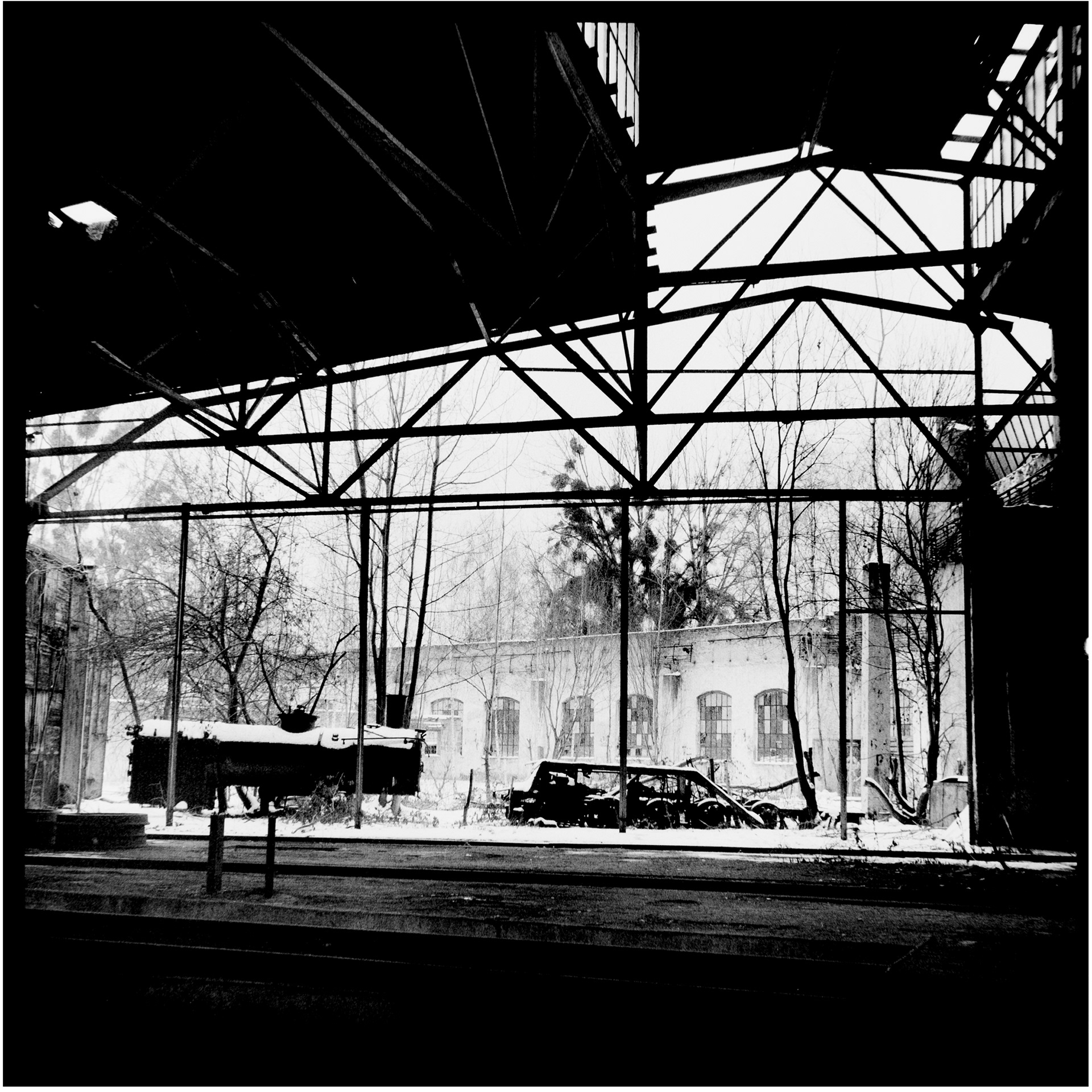
Śląsk przez dziesięciolecia był definiowany przez przemysł. Dla wielu osób region ten kojarzy się przede wszystkim z kopalniami, hutami i ciężką pracą pod ziemią. To jednak tylko część jego historii. Równie ważną rolę odgrywała kolej — sieć torów, bocznic, parowozowni i zakładów kolejowych, która przez lata łączyła przemysłowe miasta oraz transportowała ludzi, węgiel i stal. Parowozy i lokomotywy były nie tylko środkiem transportu, ale również ważnym elementem przemysłowego krajobrazu regionu.
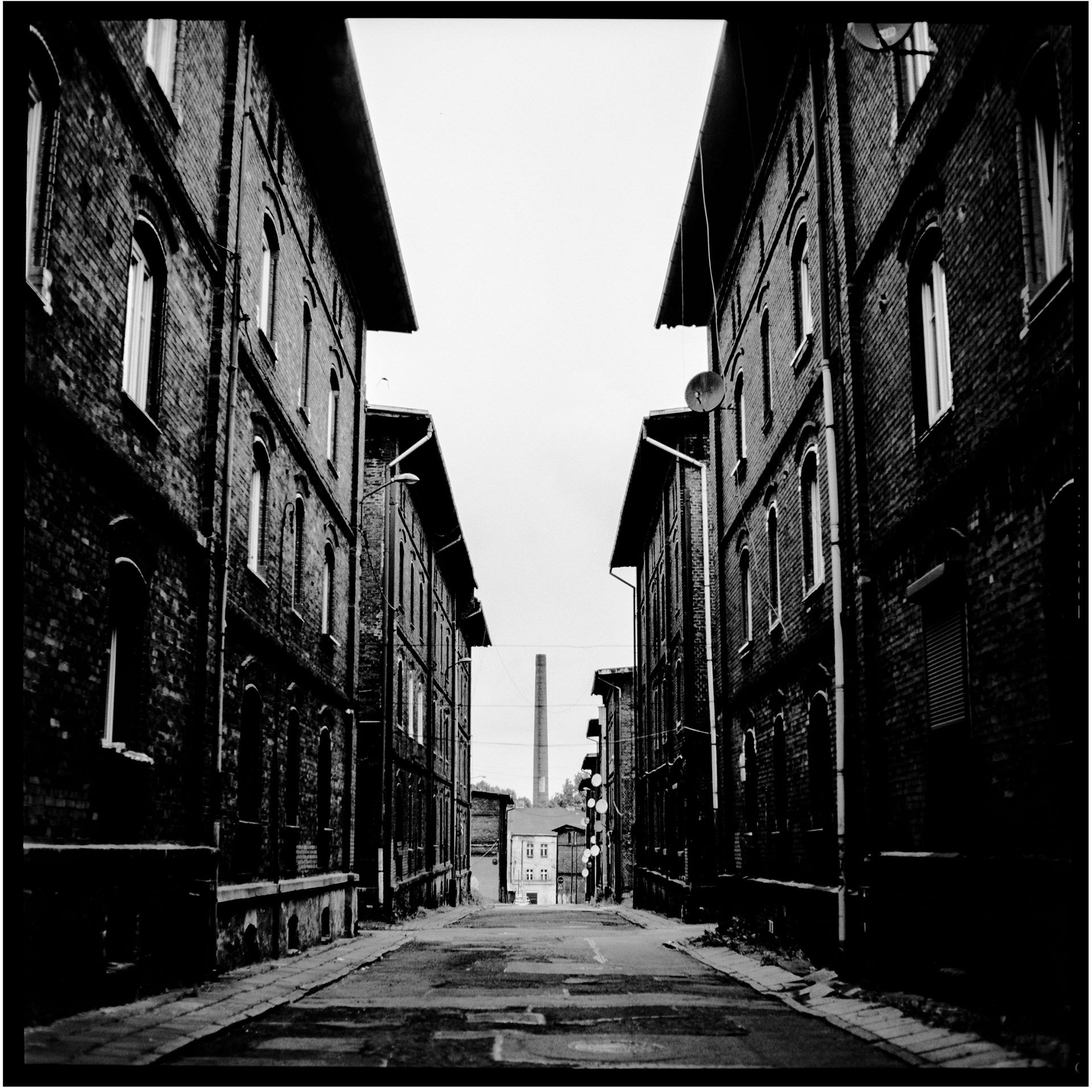
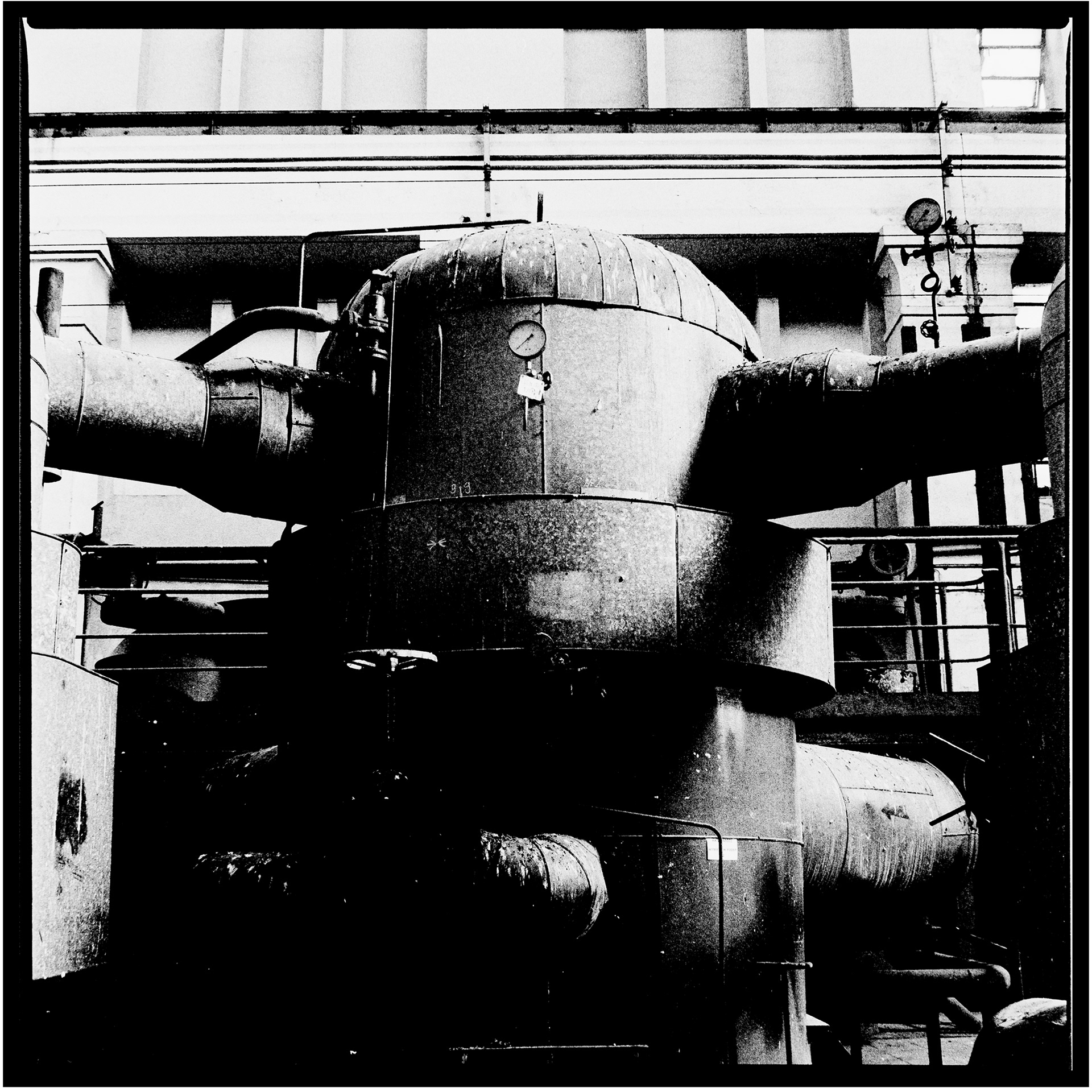
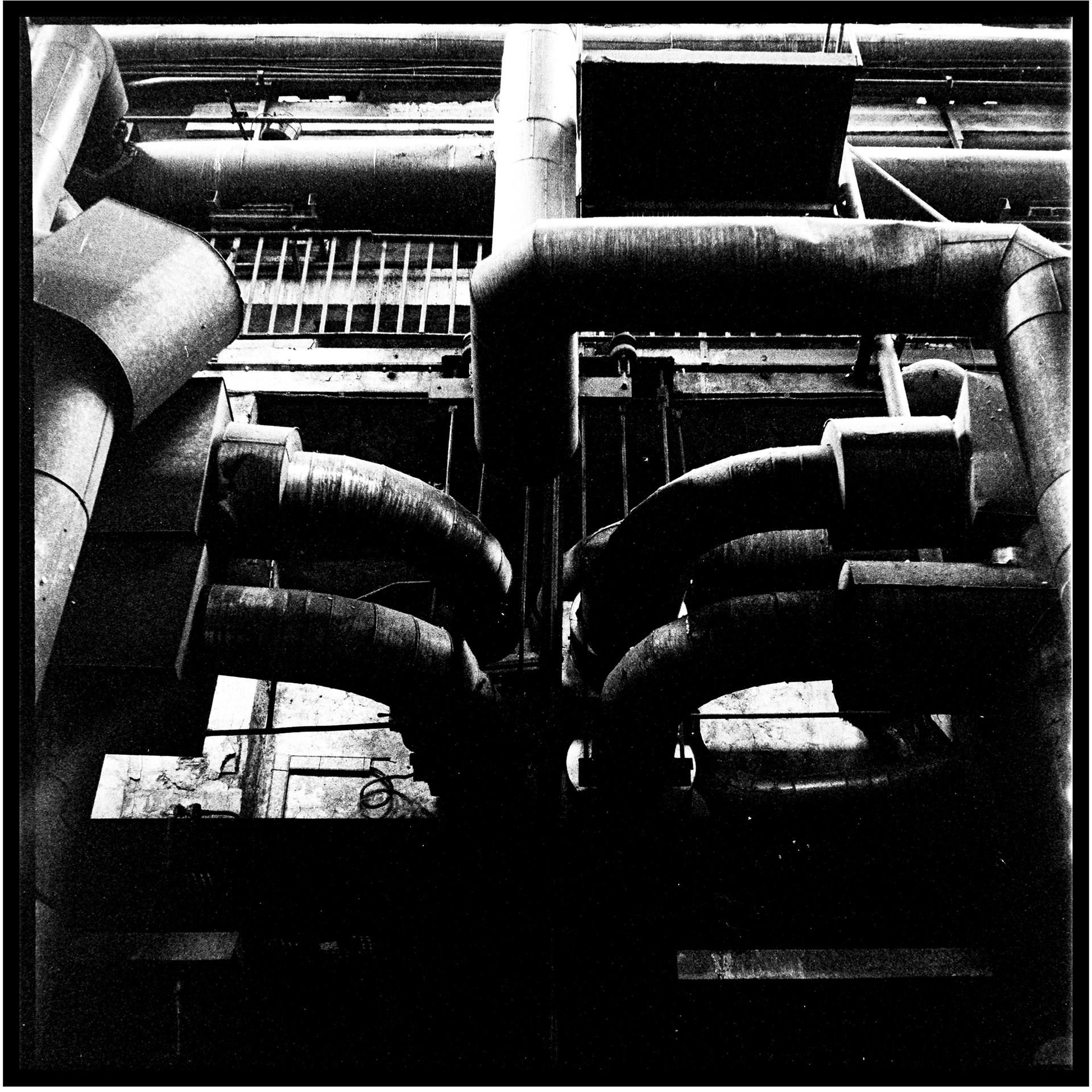
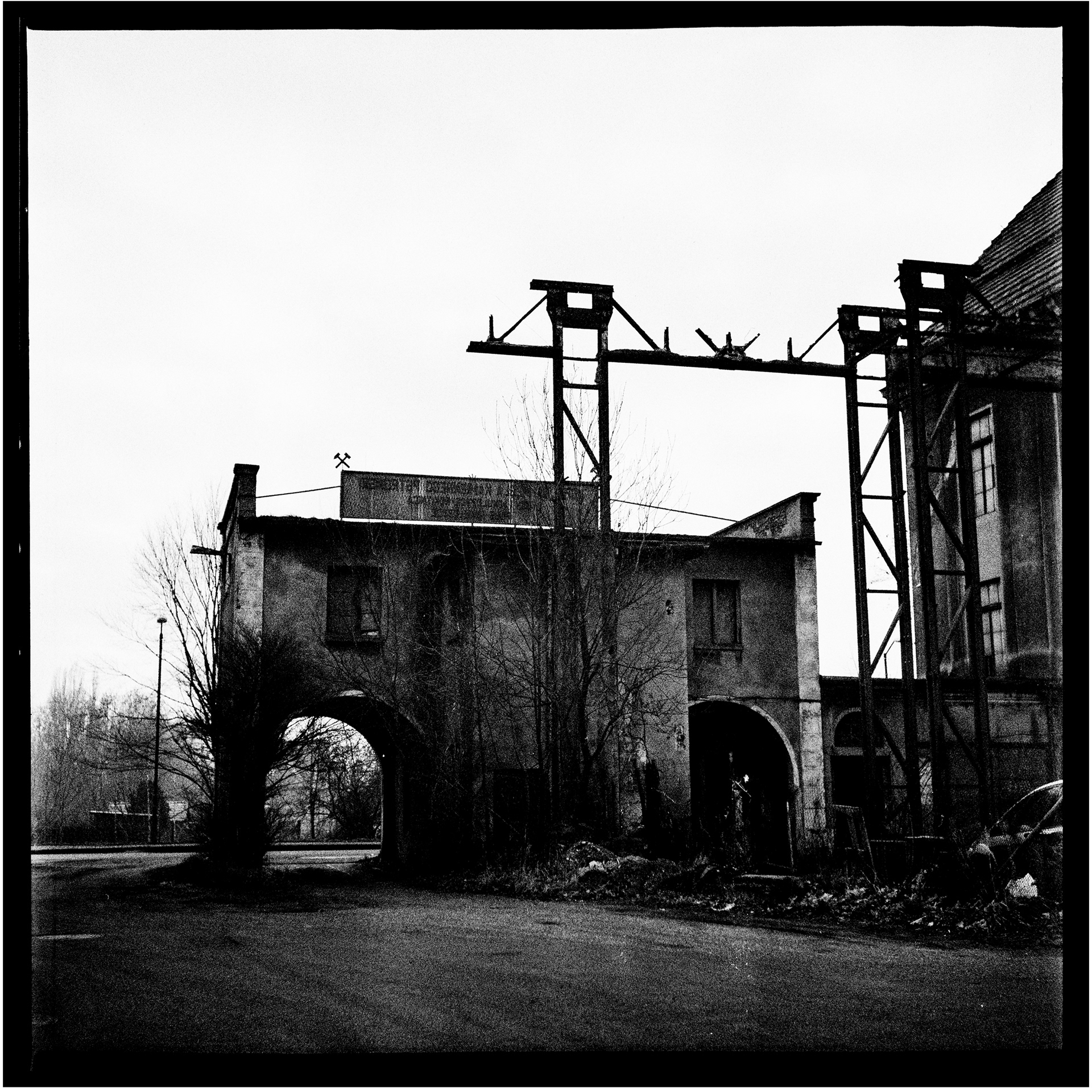
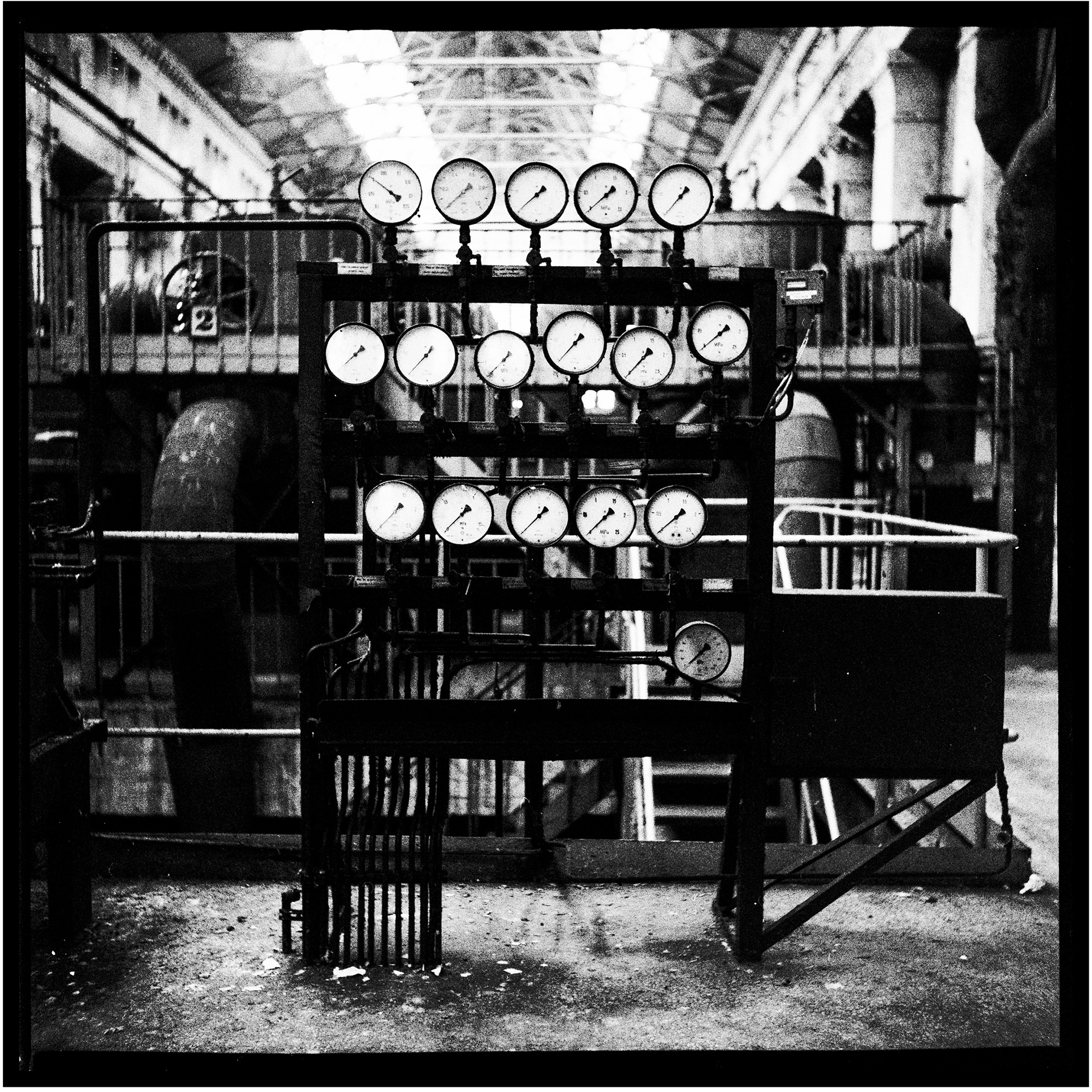
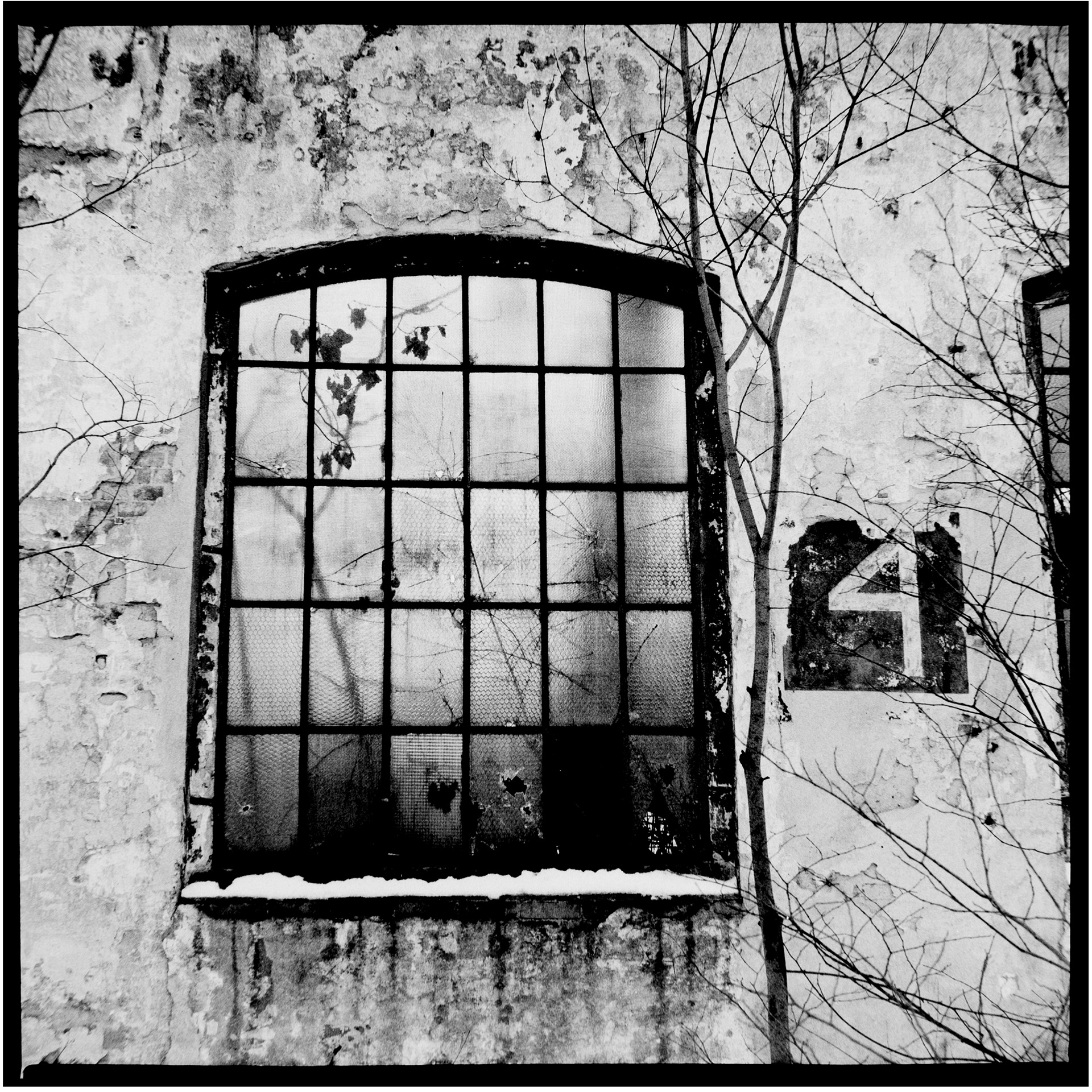
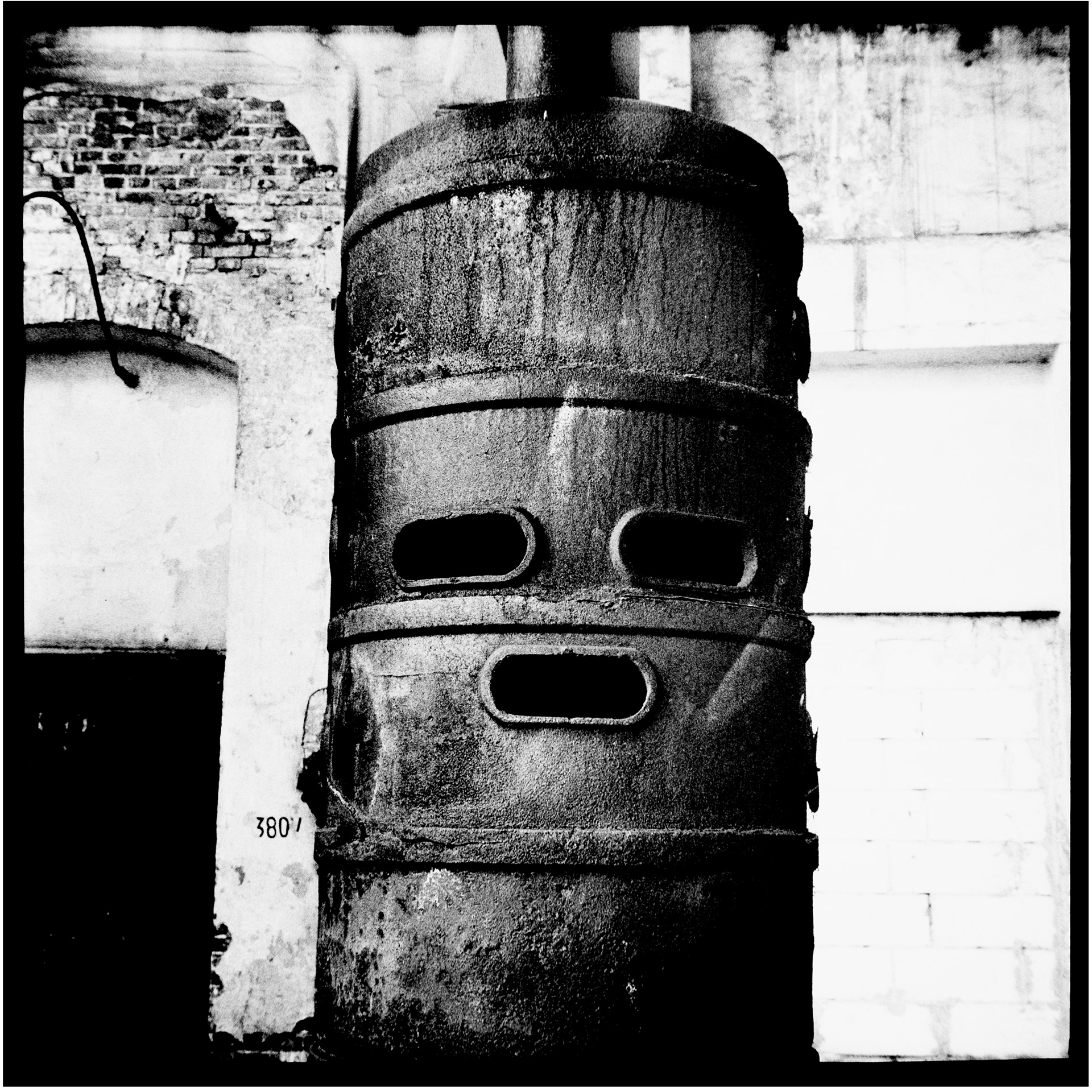
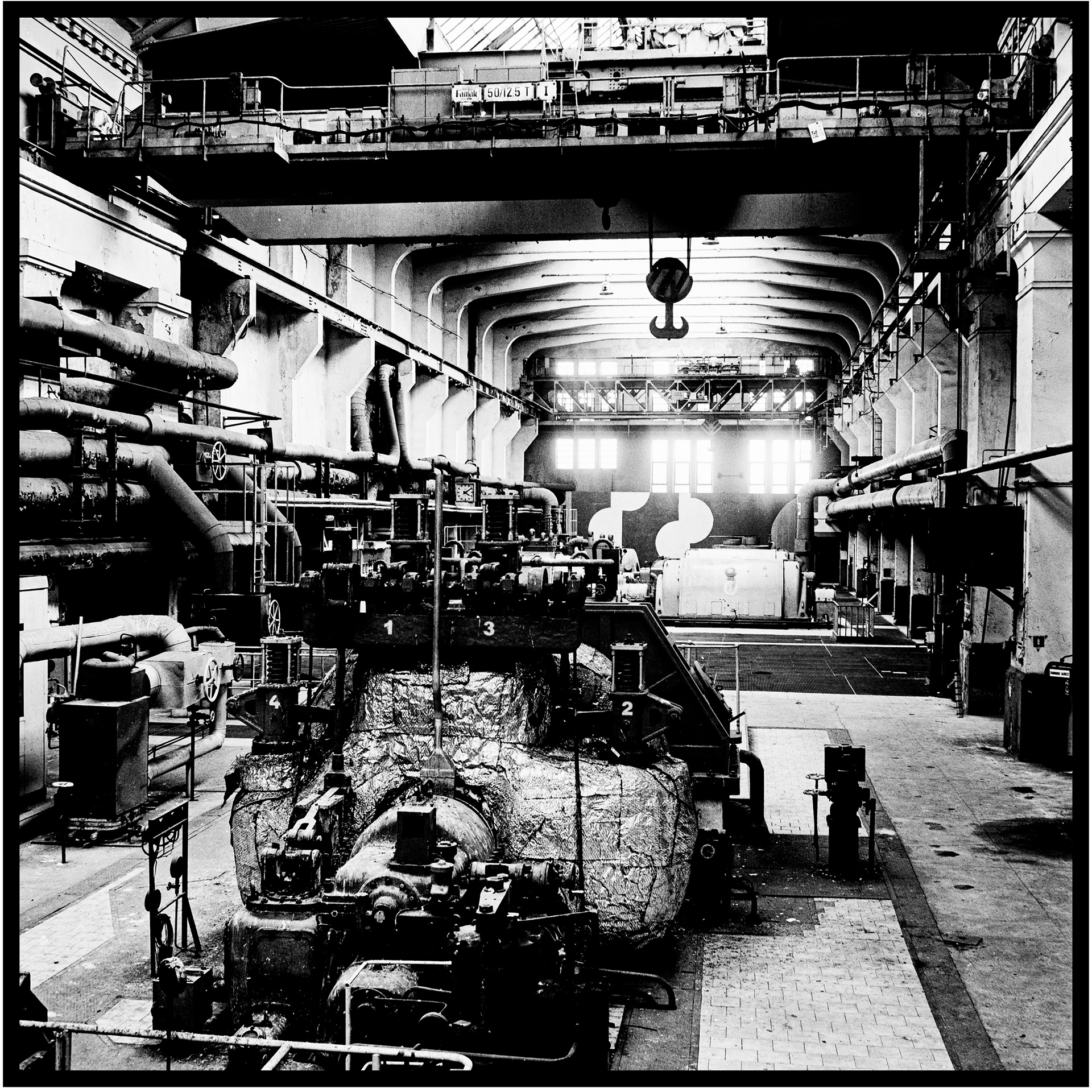
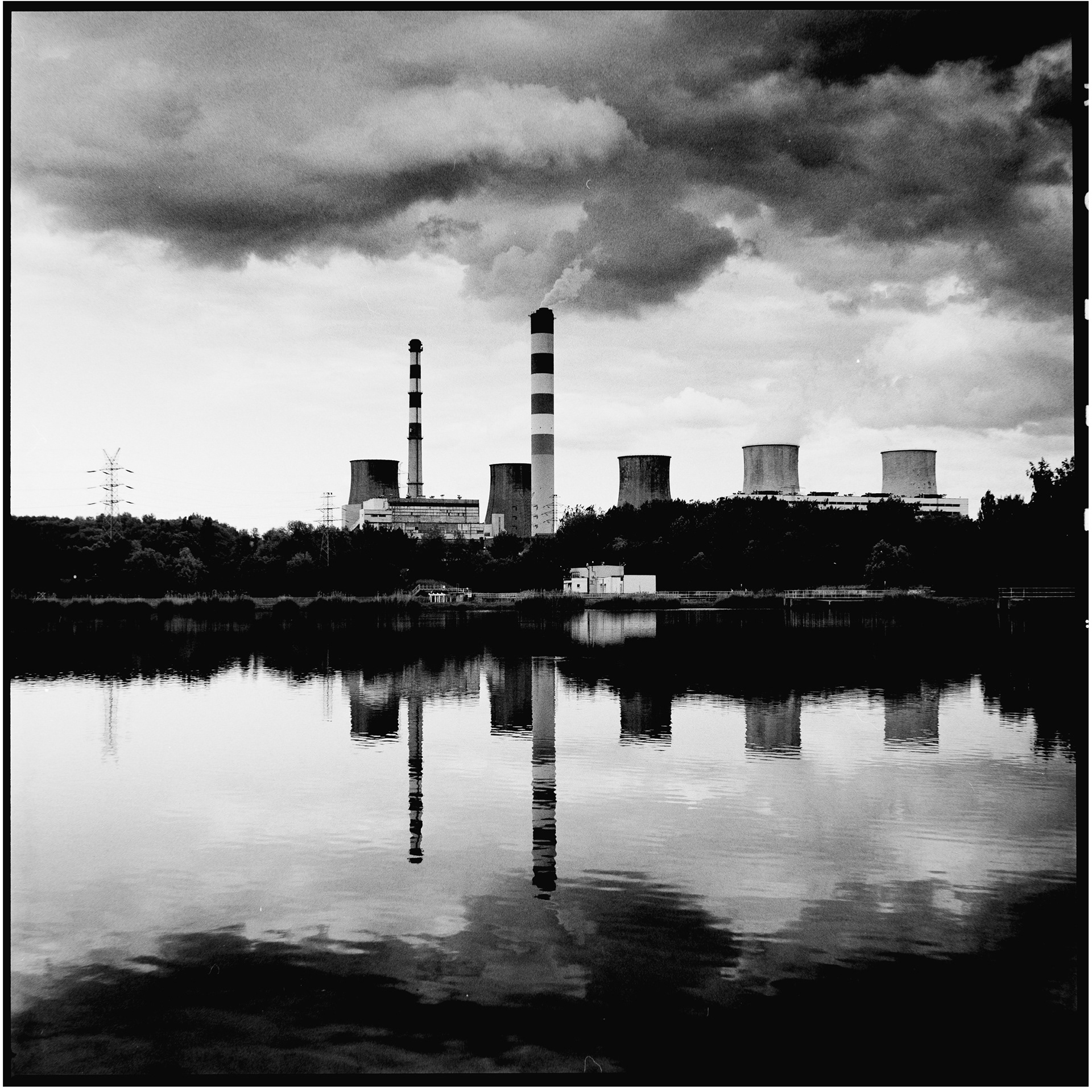
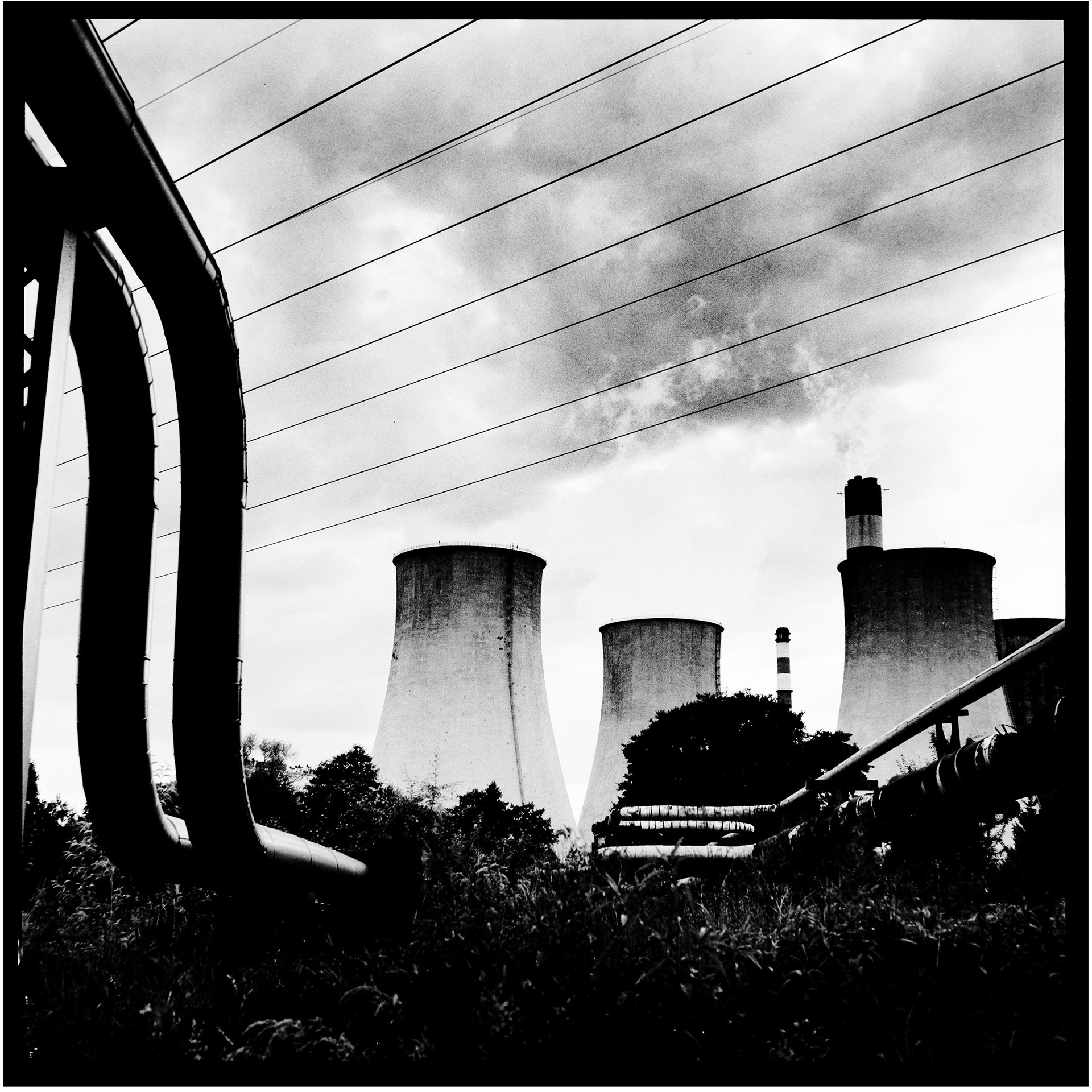
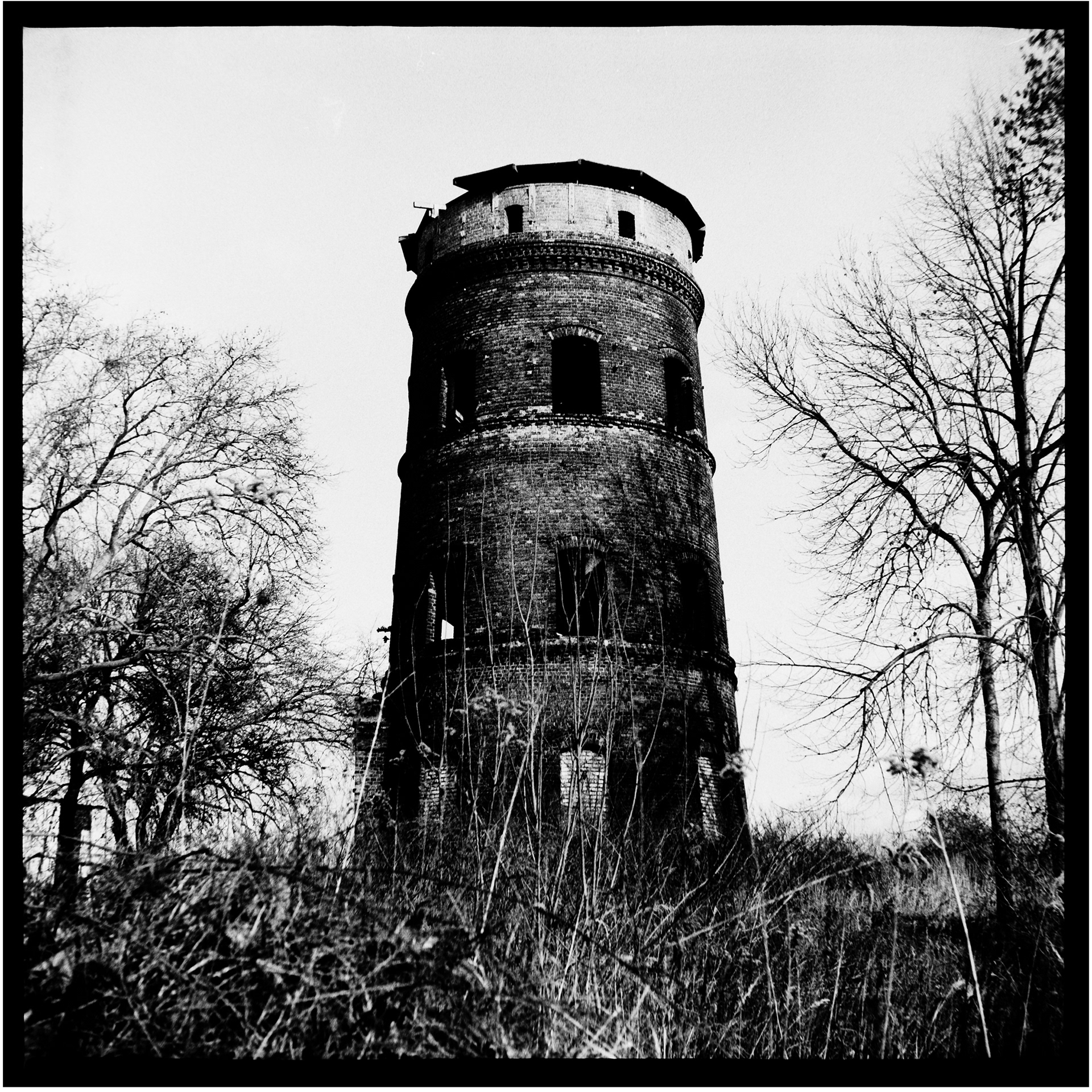
Projekt jest przede wszystkim spojrzeniem na architekturę przemysłową Śląska — monumentalne budowle, konstrukcje i wnętrza, które przez lata tworzyły charakter tego regionu. Wieże ciśnień, szyby kopalniane, chłodnie kominowe, hale, zakłady produkcyjne, stalowe konstrukcje oraz infrastruktura kolejowa pozostają świadectwem świata, który stopniowo znika lub zmienia swoje znaczenie.
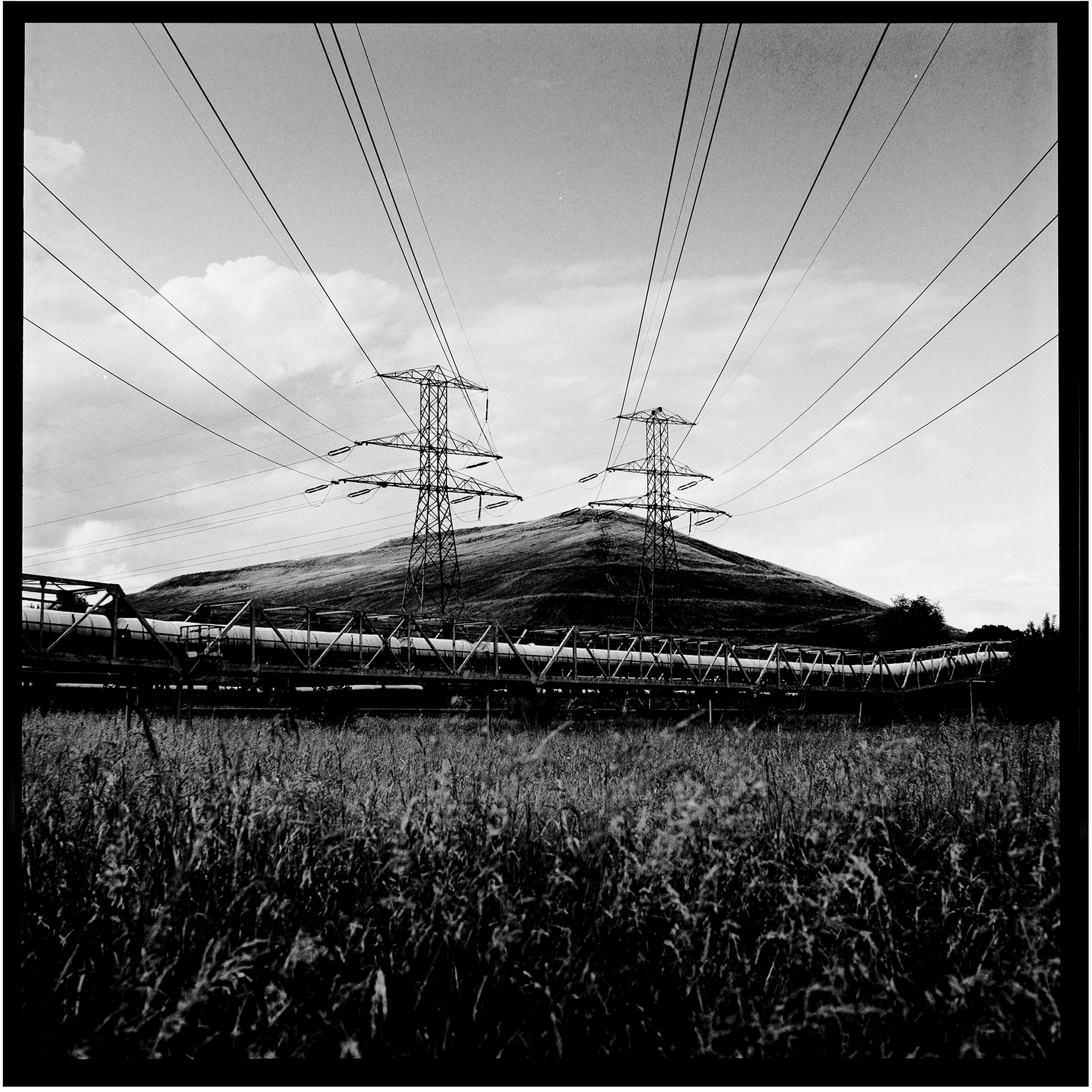
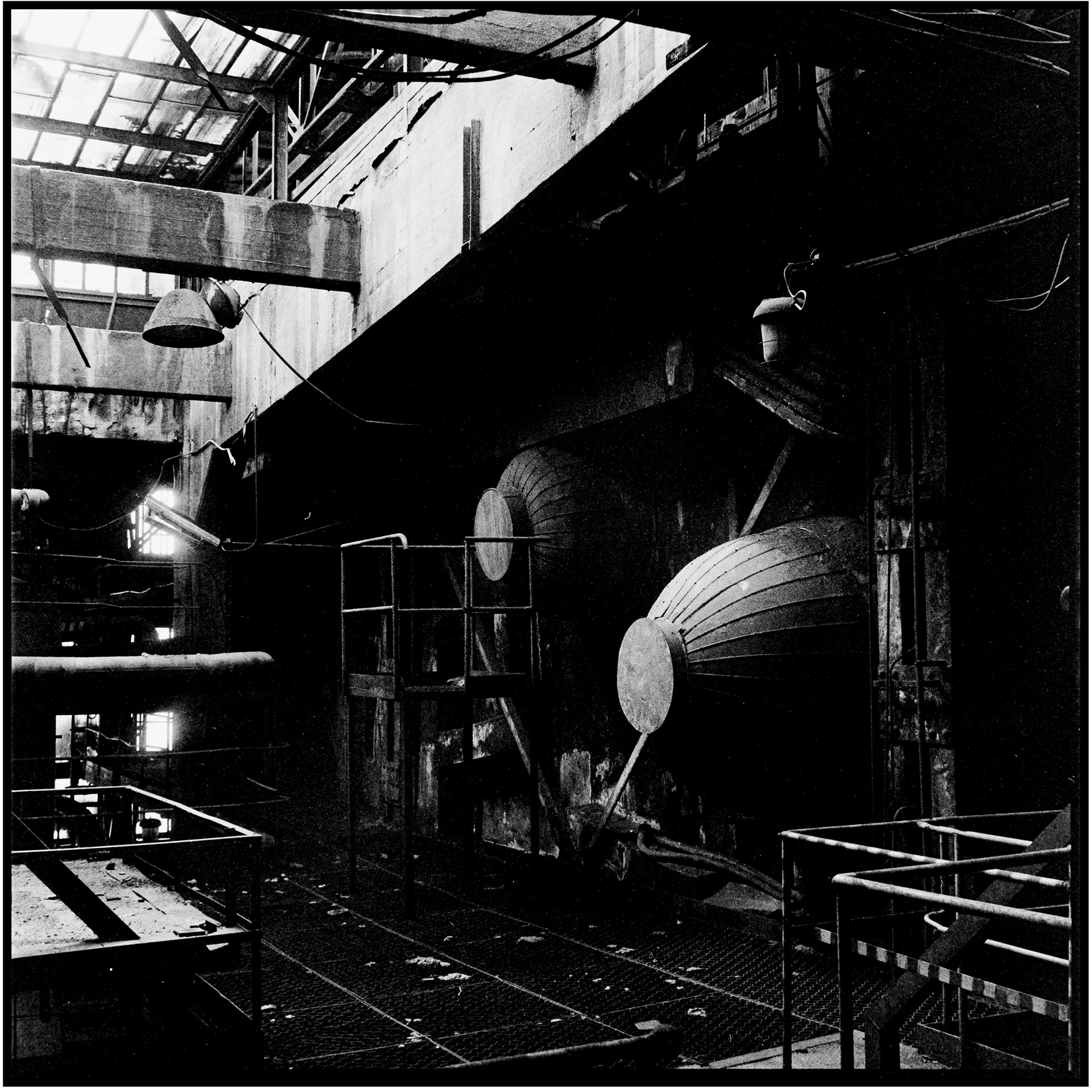
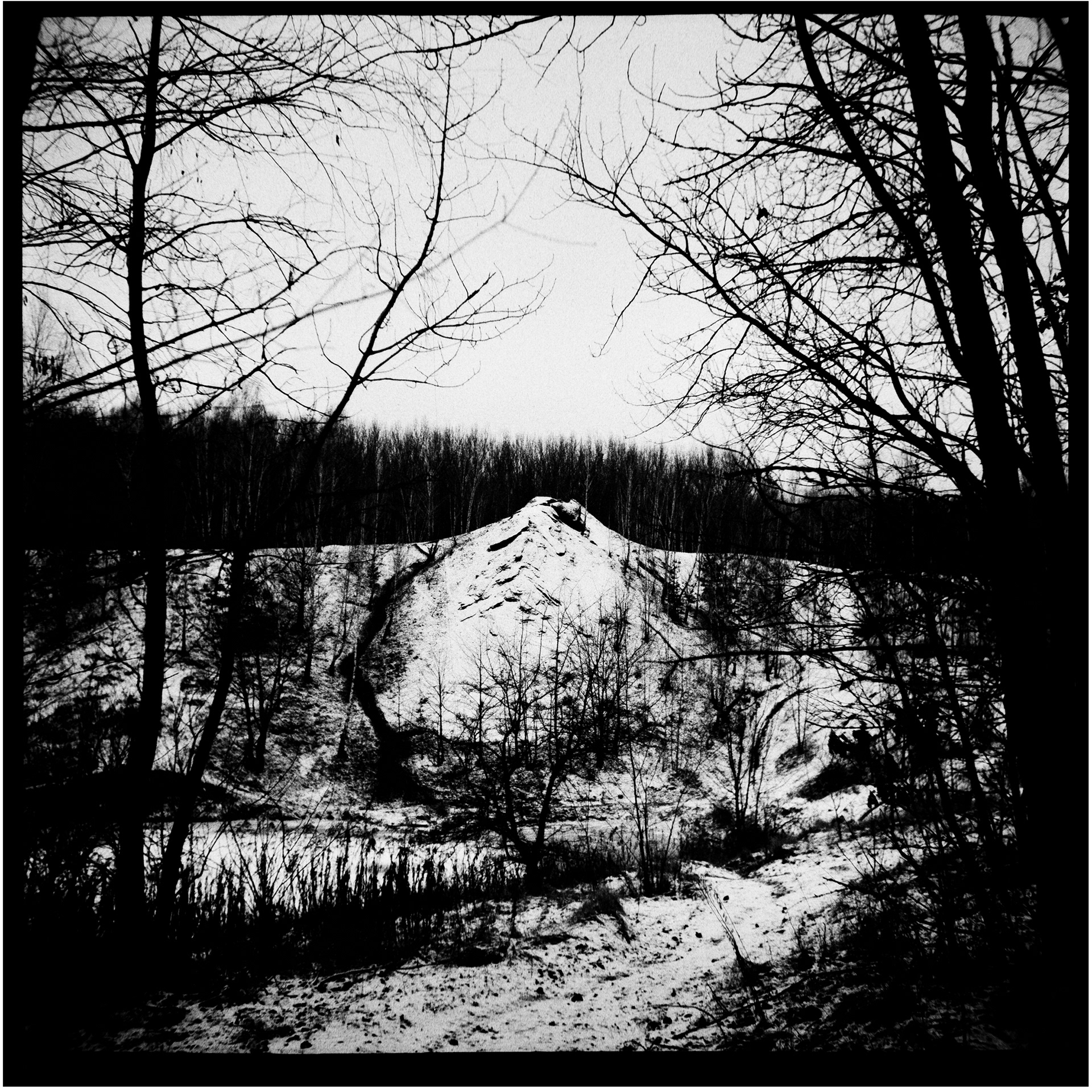
Architektura przemysłowa staje się tutaj nie tylko tłem historii, ale jej głównym bohaterem. Monumentalne formy, skomplikowane konstrukcje i ślady wieloletniej eksploatacji tworzą krajobraz na granicy dokumentu i abstrakcji. Nie jest to jednak wyłącznie opowieść o upadku. To również historia przemiany — natura powoli odzyskuje teren, stare obiekty zyskują nowe funkcje, a architektura przemysłowa pozostaje trwałym elementem krajobrazu i pamięci o przeszłości Śląska.
For decades, Silesia was defined by industry. For many people, the region is primarily associated with coal mines, steelworks, and hard work underground. Yet this is only part of its history. Railways also played an equally important role — a network of tracks, sidings, engine sheds, and railway facilities that for years connected industrial cities and transported people, coal, and steel. Steam engines and locomotives were not merely a means of transportation, but also an important element of the region’s industrial landscape.
The project is primarily an exploration of Silesia’s industrial architecture — monumental buildings, structures, and interiors that shaped the character of the region over the decades. Water towers, mine shafts, cooling towers, industrial halls, production facilities, steel structures, and railway infrastructure remain as witnesses to a world that is gradually disappearing or taking on new meanings.
Here, industrial architecture becomes not merely the backdrop to history, but its main protagonist. Monumental forms, complex structures, and traces of decades of use create a landscape somewhere between documentary and abstraction. Yet this is not solely a story of decline. It is also a story of transformation — nature is slowly reclaiming former industrial sites, old buildings are being given new functions, and industrial architecture remains a lasting part of the landscape and of the memory of Silesia’s past.